Empowering Communities: The Key to Health Equity and Wellness Initiatives
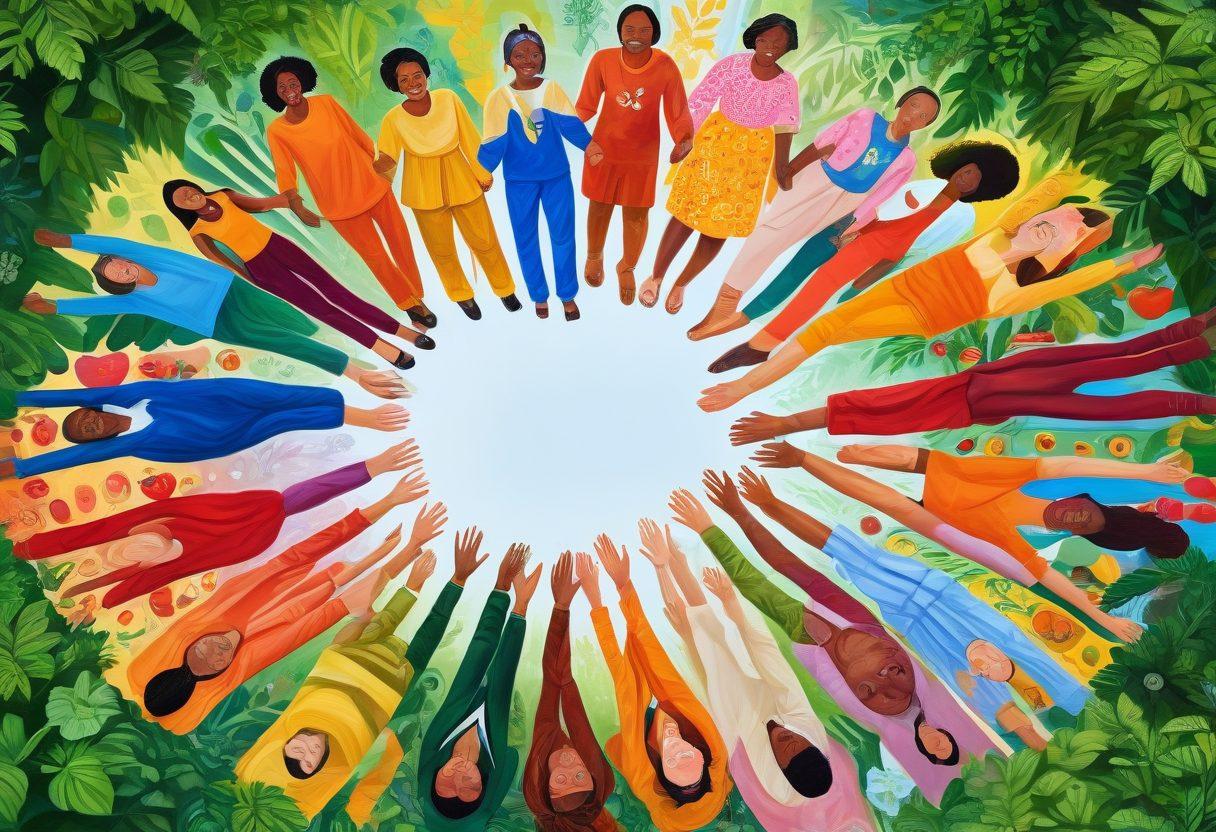
In the world of healthcare, the term 'health equity' often comes up as a promise for a future where everyone has the resources and opportunities to achieve their best health. But how do we reach that promise? The answer lies in community engagement—an underappreciated yet vital ingredient in the recipe for health equity. Picture this: a vibrant wellness community where individuals share information and resources, inspire one another, and advocate for positive changes in their environment. This isn’t just an idealistic vision; it's achievable through dedicated community support and activation.
Imagine a neighborhood where everyone feels connected and empowered. It’s in this kind of supportive environment that health programs can truly thrive. Community wellness initiatives, driven by local voices, lead to the identification of pressing health needs—think access to preventive health services or the establishment of health education workshops. Consider the impact of a local health outreach program that through public health research, uncovers the unique challenges faced by certain demographics. The actionable steps taken from these findings result in tailored health services that not only accommodate but embrace the diversity of the community.
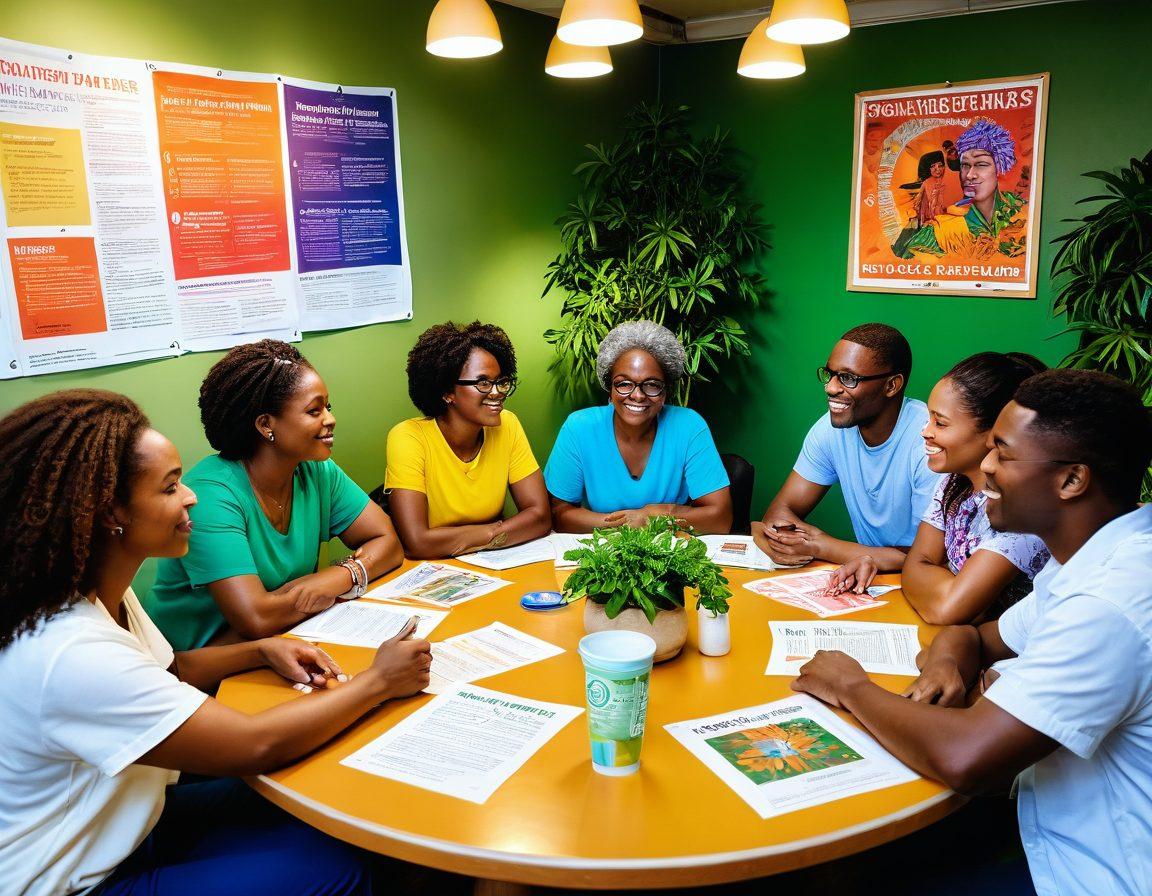
Engagement isn’t merely about providing health resources; it’s about collective action. A community advocacy group fighting for better patient care standards or championing mental health awareness is a testament to how voices unite for change. When individuals feel heard and valued, they are more likely to participate in health initiatives, share health information, and rally for public health initiatives that resonate with their everyday lives. Wouldn’t it be powerful if every neighborhood could harness that potential?
We’ve all heard the saying, “It takes a village.” This rings especially true in the realm of health equity and patient care. Whether through hosting open forums to discuss health disparities or organizing wellness events that promote health awareness, there is a wealth of opportunities for community engagement. Real stories often resonate louder than statistics. For instance, hear the narrative of a single mother who started a community garden not only to provide fresh produce but also to create a gathering space for sharing health knowledge—small actions that lead to profound changes in community health dynamics.
As we look toward the future of healthcare, let’s center community engagement as a fundamental strategy in advancing health equity. Participation in health advocacy, sharing of health education resources, and opening avenues for dialogue about health improvement are just some pathways to a healthier society. So the next time you think about health improvement, consider this question: How can I contribute to building a bridge between healthcare and my community? After all, health equity isn’t just a goal; it’s a journey that we embark on together, one step at a time.
Empowering Voices: The Role of Health Advocacy in Community Wellness
In the grand tapestry of society, community wellness serves as a vibrant thread woven with the colorful strands of health advocacy, healthcare news, and the voices of passionate individuals. As the world increasingly edges toward the notion of health equity, it becomes crucial for communities to harness the collective power of their voices. After all, advocacy is not simply about voicing concerns; it’s about taking significant action towards health improvement and well-being for everyone. So, how can we transform our communities into thriving wellness communities, where every member feels empowered and heard?
Imagine a neighborhood where everyone looks out for one another, where access to health education, health resources, and patient care is not just a privilege for a few but a right embraced by all. This is the essence of health advocacy—a tool that can elevate communities by ensuring that conversations surrounding public health initiatives remain not only lively but also inclusive. A quote from Mahatma Gandhi resonates here: 'The true measure of any society can be found in how it treats its most vulnerable members.' If we’re to measure our societal health, shouldn’t we strive for a community that actively uplifts the needs of all its members?
Engaging in health outreach means encouraging individuals from diverse backgrounds to participate in health programs that promote preventive health and health awareness. When community members unite, they create a chorus of voices advocating for change, leading to stronger public health research and actionable insights. Consider the story of a small town that organized health fairs; they didn’t just promote health information but also actively involved local leaders and the youth in planning. This sparked community support and invigorated conversations around mental health, nutrition, and fitness—engaging different demographics and instilling a sense of belonging.
However, it’s not just about showing up at events; it's about fostering ongoing community engagement that transforms awareness into tangible action. By building a network of advocates who are informed and passionate about health equity, we can create a ripple effect that extends to every corner of the community. Are you ready to be part of this transformation? You can start by supporting local wellness initiatives, joining a wellness blog, or simply sharing healthcare news that intrigues you with friends and family—turning passive awareness into powerful advocacy.
Health advocacy is more than just a concept; it’s a movement—a call to action for all of us. Together, we can create a momentum that resonates through every block of our neighborhoods, ensuring that access to health services and information is universally available. So let’s remember the power inherent in our collective voices, and let’s champion the well-being of our communities. After all, in the words of author and speaker, John Maxwell: 'Change is inevitable. Growth is optional.' Let us choose to grow together, crafting a rich tapestry of community wellness that nurtures each and every member.
Unlocking Resources: The Impact of Health Education on Public Health Initiatives
In the ever-evolving landscape of healthcare news, one theme consistently emerges: the profound link between health education and public health initiatives. Imagine a community where everyone is informed about their health rights, equipped with knowledge about preventive health measures and motivated to engage in their own well-being. This isn’t just a dream; it’s a reality that can be unlocked through effective health education. By steering toward a path of health awareness, communities can foster supportive environments where health resources are shared, and every individual is empowered to seek health services and improve their overall health.
The phrase 'knowledge is power' rings particularly true in the context of health advocacy. When individuals are educated about health issues, they become active participants in the wellness community rather than passive recipients of patient care. For instance, imagine a neighborhood where workshops on nutrition and fitness are commonplace, where discussions on mental health stigma are encouraged, and where everyone feels responsibility for each other’s well-being. This scenario is made possible through targeted health education initiatives which also amplify community engagement. Have you ever wondered how many lives could be transformed simply by increasing access to health information?
In public health research, the benefits of community support structures cannot be overstated. It’s fascinating to observe how local organizations equip residents with the tools they need to make informed decisions. For example, health programs designed to address specific community needs, such as diabetes management or maternal health, can significantly improve health outcomes. By focusing on localized health outreach that caters to the unique challenges faced by different populations, we can close the gaps in health equity and service delivery. What steps can we take today to start reshaping how our community perceives health education?
Let’s use storytelling to illustrate the might of health education in action. Picture Sarah, a single mother living in a small town who struggles to understand the health services available for her children. When she stumbles upon a wellness blog discussing community health resources, everything changes. Sarah starts attending local health workshops, connects with health advocates in her area, and learns about preventive health strategies. Slowly, she becomes a beacon of health awareness, informing her friends and family about the resources available to them, demonstrating how one educated individual can catalyze community health improvement.
As we delve deeper into the impact of health education on public health initiatives, it’s clear that this is more than just an individual journey; it’s a collective movement. By prioritizing health education, we are creating a ripple effect that engenders higher rates of community wellness and active participation in health advocacy. The question lingering on the horizon is: how can we, as individuals, contribute to a culture of health equity? By consistently advocating for better access to health information and resources, we can join the ranks of those leading the charge for a healthier tomorrow. Let’s remember — in our quest for better health, we’re all in this together.